
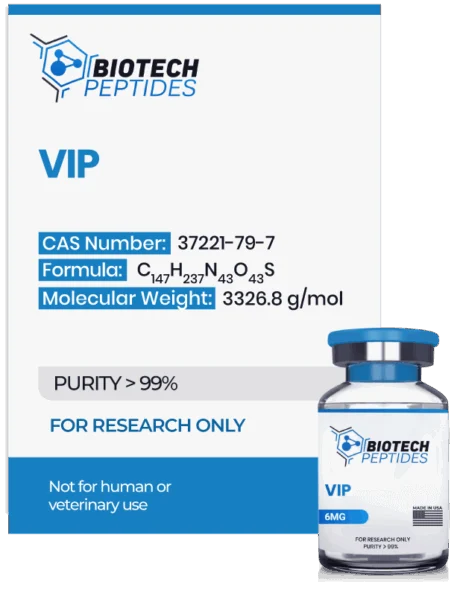
VIP (6mg) Peptide
$60.00
Pinealon Peptide Benefits: Neuroprotection, cognitive support, and antioxidant research. Explore the science behind this research tripeptide.
Pinealon Peptide Benefits: A Research Overview
Introduction to Pinealon Peptide
Pinealon is a synthetic tripeptide composed of the amino acids glutamic acid, aspartic acid, and arginine, with the sequence H-Glu-Asp-Arg-OH (also known as EDR) . Developed by Vladimir Khavinson’s group at the St. Petersburg Institute of Bioregulation and Gerontology, this short peptide has been investigated for its potential neuroprotective and geroprotective properties .
As a small regulatory peptide with a molecular weight of approximately 418 Daltons, Pinealon is believed to interact directly with DNA, thereby modulating gene expression and influencing cellular processes . Research suggests it may play a role in supporting cognitive function, protecting neural tissues from oxidative stress, and potentially influencing aspects of the aging process .
Key Proposed Benefits of Pinealon Peptide
Cognitive Function and Neuroprotection
Pinealon peptide has been most extensively studied for its potential cognitive-enhancing and neuroprotective properties. A primary mechanism appears to be its ability to prevent the accumulation of reactive oxygen species, protecting cells from oxidative damage . This is achieved in part through the suppression of extracellular signal-regulated kinases 1/2 (ERK 1/2), a key pathway involved in cellular stress responses .
In older adults with subjective cognitive complaints or mild cognitive impairment, clinical investigations have reported improvements in memory tests, attention, and information processing speed following Pinealon administration . Studies in patients with traumatic brain injury also demonstrated improved memory and cognitive performance . Additional research has suggested the peptide may help normalize behavioral responses and improve spatial orientation and learning ability in animal models, particularly in conditions associated with cognitive deficits .
Researchers have highlighted Pinealon’s potential role in Alzheimer’s disease research, as the peptide appears capable of regulating the expression of genes involved in its pathogenesis . In a study involving patients with organic brain syndrome, Pinealon demonstrated a significant anabolic effect and improved central nervous system activity, which contributed to slowing the rate of aging as measured by biological age indicators . The peptide has also shown promise in restoring dendritic spines in in vitro models of Huntington’s disease .
Antioxidant Activity Pinealon Peptide Benefits
Research has identified Pinealon’s antioxidant properties as a key component of its mechanism of action. Studies have found that Pinealon restricts the cellular accumulation of reactive oxygen species and decreases necrotic cell death . This antioxidant activity is relevant in the context of neurodegenerative diseases such as Alzheimer’s, where high levels of oxidative markers correlate with cognitive decline .
Potential Effects on Gene Expression and Cellular Health Pinealon Peptide Benefits
Pinealon’s small tripeptide structure allows it to cross cellular and nuclear membranes to interact directly with DNA, thereby modulating gene expression . Specifically, it influences several key factors related to cellular and bodily processes :
Apoptosis Regulation: Pinealon affects proapoptotic proteins such as caspase-3, which is involved in programmed cell death and is crucial to brain development . By modulating caspase-3 levels, the peptide helps regulate apoptosis and maintain cellular homeostasis .
Signaling Pathways: The peptide influences the MAPK/ERK signaling pathway, which is important for cell proliferation, differentiation, and the elimination of damaged cells .
Nuclear Receptor Proteins: Pinealon has binding sites for the nuclear receptor proteins PPAR-alpha and PPAR-gamma, allowing it to regulate their synthesis . These proteins play a role in preventing amyloid beta plaque development, a key feature of Alzheimer’s disease .
Metabolic Effects Pinealon Peptide Benefits
Emerging clinical evidence suggests Pinealon may exert metabolic effects beyond its neuroprotective properties. Studies in individuals with metabolic syndrome or type 2 diabetes have reported modest reductions in fasting glucose and HbA1c, improvements in lipid profiles, and decreased markers of systemic inflammation or oxidative stress .
Sleep and Mood Regulation Pinealon Peptide Benefits
Smaller bodies of research suggest Pinealon may have additional applications. A 2012 study in old rats found that Pinealon injection could improve behavioral sleep , and a 2014 in vitro study demonstrated that the peptide may stimulate the expression of serotonin, a neurotransmitter that regulates mood .
Clinical Trial Insights and Limitations Pinealon Peptide Benefits
Current Evidence Base
As of 2026, it is important to note that the evidence base for Pinealon remains preclinical in peer-reviewed English-language literature, with no completed randomized controlled trials in humans published in Western indexed journals . Most published research originates from a single research network affiliated with the St. Petersburg Institute, with no independent Western replication .
Recent clinical investigations, often early-phase or regional, are beginning to provide more structured evidence around Pinealon’s potential therapeutic roles . These trials suggest that Pinealon may exert multi-system effects consistent with its proposed role as a regulator of gene expression and cellular stress responses . Researchers have focused particularly on age-related cognitive decline, mild cognitive impairment, metabolic syndrome, and recovery after brain injury or surgery .
Observed Efficacy Outcomes
In randomized controlled trials, Pinealon has shown modest but statistically significant improvements in cognitive performance compared with control groups . Outcomes include better performance in verbal memory recall, increased concentration spans, and reduced subjective complaints of forgetfulness and mental fatigue . Beyond formal testing, patients frequently report enhanced overall well-being, improved sleep quality, and less daytime fatigue .
Safety Profile
Across recent clinical trials, Pinealon has generally demonstrated a favorable short-term safety profile. Adverse events are usually mild and transient, with injection-site discomfort, brief headaches, or nonspecific gastrointestinal symptoms reported in a small minority of participants . Laboratory monitoring has not revealed significant toxicity signals, even in older patients and those with pre-existing cardiovascular or metabolic conditions .
Key Limitations and Considerations Pinealon Peptide Benefits
Despite promising signals, the overall body of clinical data remains relatively small, and many trials are early-phase . Variability in trial design, dosing regimens, and outcome measures makes it challenging to consolidate results. Dosing regimens vary, with Pinealon usually given parenterally in short courses ranging from 10 to 20 days, sometimes repeated cyclically over several months . Follow-up durations are typically between 1 and 6 months, with relatively few trials extending beyond a year .
It is important to emphasize that Pinealon is not FDA-approved for human use and is not legally marketed for human use in the United States .
Conclusion
Pinealon peptide has been investigated for a range of potential benefits, including cognitive enhancement, neuroprotection, antioxidant activity, and possible metabolic effects. Research suggests the peptide may modulate gene expression, regulate apoptosis, and influence key signaling pathways involved in cellular health and resilience.
However, the evidence base remains preliminary and largely originates from a single research network with no independent Western replication. While early clinical investigations show promising signals, rigorous, large-scale, randomized controlled trials with standardized methodologies and longer follow-up periods are necessary to confirm its efficacy and long-term safety. Researchers and clinicians should interpret the current evidence as hypothesis-generating rather than confirmatory .
Pinealon Peptide Benefits, Pinealon Peptide Benefits, Pinealon Peptide Benefits, Pinealon Peptide Benefits, Pinealon Peptide Benefits
Related products
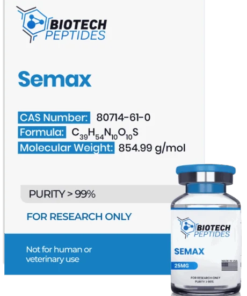
BIOTECH PEPTIDE
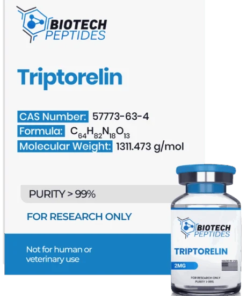
BIOTECH PEPTIDE
BIOTECH PEPTIDE
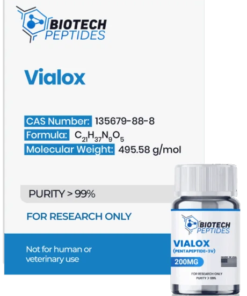
BIOTECH PEPTIDE
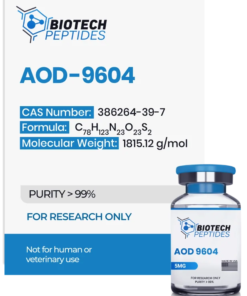
BIOTECH PEPTIDE
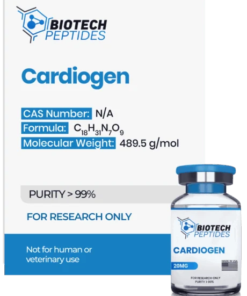
BIOTECH PEPTIDE
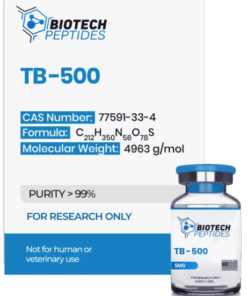
BIOTECH PEPTIDE
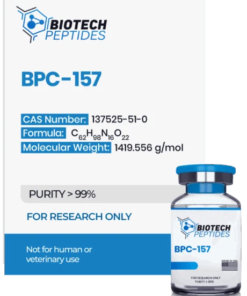
BIOTECH PEPTIDE