


GHK Basic (Tripeptide-1) (200mg)


Price range: $130.00 through $6,500.00
Buy Biotech Peptide research grade ≥98% purity. GLP-1, growth hormone, metabolic peptides available. Fast shipping. Order now.
Biotech Peptide: The Essential Guide to Research-Grade Peptides for Scientific Discovery
Understanding Biotech Peptides
Biotech peptides represent a cornerstone of modern biological research, serving as indispensable tools for scientists investigating cellular communication, metabolic pathways, and therapeutic interventions. These short chains of amino acids, typically consisting of between 2 and 50 residues, have revolutionized the way researchers approach complex biological questions. The biotech peptide industry has experienced remarkable growth, driven by advances in synthesis technologies and an expanding understanding of peptide biology.
A biotech peptide is fundamentally different from traditional small molecule drugs or large protein therapeutics. Their intermediate size allows them to bridge the gap between these two categories, offering the specificity of proteins with the stability and manufacturing advantages of small molecules. This unique position has made biotech peptides increasingly valuable across multiple research domains, from endocrinology to neuroscience and immunology.
The production of high-quality biotech peptides requires sophisticated manufacturing processes and rigorous quality control measures. Solid-phase peptide synthesis remains the gold standard for producing these compounds, enabling researchers to access both naturally occurring sequences and novel analogs designed for specific research applications. Understanding the science behind biotech peptides is essential for researchers seeking to incorporate these powerful tools into their investigative protocols.
The Science of Biotech Peptide Synthesis
The manufacturing of biotech peptides involves complex chemical processes that must be carefully controlled to produce compounds suitable for research applications. Solid-phase peptide synthesis, developed by Nobel laureate Bruce Merrifield, remains the predominant method for producing biotech peptides in research quantities.
This approach begins with the attachment of the first amino acid to an insoluble resin support. Subsequent amino acids are added sequentially through a cycle of deprotection and coupling reactions. Each cycle adds a single amino acid to the growing peptide chain, allowing precise control over the final sequence. The process can produce peptides with high purity and excellent yields, making it suitable for both small-scale research and larger production runs.
Following synthesis, biotech peptides undergo extensive purification to achieve research-grade specifications. Preparative high-performance liquid chromatography is the standard purification method, separating the target peptide from truncated sequences, deletion products, and other synthesis-related impurities. The purified peptides then undergo comprehensive characterization using multiple analytical techniques.
Quality control is essential for ensuring that biotech peptides meet the specifications required for meaningful research. High-performance liquid chromatography assesses purity, typically achieving levels of 95% or higher for research-grade compounds. Mass spectrometry confirms molecular weight and structural integrity, while amino acid analysis verifies composition. Additional testing may include endotoxin screening and microbial limits testing to ensure suitability for specific research applications.
Key Characteristics of Research-Grade Biotech Peptides
When selecting biotech peptides for research, several characteristics distinguish superior compounds from inferior alternatives. Understanding these characteristics helps researchers make informed decisions and ensures experimental reproducibility.
Purity Standards: High-quality biotech peptides should demonstrate purity levels of at least 95% when analyzed by HPLC. Premium research peptides often achieve 98% to 99% purity, minimizing the presence of impurities that could confound experimental results. The purity specification should be clearly documented in the certificate of analysis accompanying each product.
Sequence Accuracy: The amino acid sequence of a biotech peptide must precisely match the intended target. Even single amino acid substitutions can dramatically alter biological activity, receptor binding, and research outcomes. Mass spectrometry verification confirms sequence accuracy by identifying the exact molecular weight of the synthesized peptide.
Structural Integrity: Biotech peptides must maintain their intended structural characteristics to exhibit proper biological activity. This includes appropriate stereochemistry, disulfide bond formation where applicable, and terminal modifications that may influence stability or activity. Analytical techniques such as circular dichroism spectroscopy can confirm proper folding and structure.
Solubility Properties: The solubility of biotech peptides influences their utility in research applications. Well-characterized peptides should exhibit consistent solubility in appropriate solvents, typically dissolving readily in aqueous solutions or organic solvents as specified by the manufacturer. This consistency ensures reliable preparation of working solutions for research protocols.
Batch-to-Batch Consistency: Reputable manufacturers of biotech peptides maintain strict quality control protocols that ensure consistent product quality across multiple production batches. This consistency is crucial for researchers conducting longitudinal studies or comparing results across experiments.
Major Applications of Biotech Peptides in Research
Biotech peptides have found extensive applications across numerous research disciplines, each leveraging the unique properties of these compounds to advance scientific understanding.
Metabolic Research: Biotech peptides play a central role in investigating metabolic disorders including obesity, diabetes, and metabolic syndrome. Researchers utilize peptide analogs to study glucose homeostasis, insulin sensitivity, and energy balance mechanisms. The development of GLP-1 receptor agonists, dual agonists, and triple agonists has opened new avenues for understanding metabolic regulation and potential therapeutic interventions.
Endocrine Studies: The endocrine system relies heavily on peptide hormones for signal transmission, making biotech peptides essential tools for endocrinologists. Research into growth hormone releasing hormones, thyroid stimulating hormones, and gonadotropin releasing hormones has been advanced significantly through the availability of high-purity peptide analogs that mimic endogenous hormone activity.
Neurological Research: Biotech peptides are increasingly important in neuroscience research. Peptides that cross the blood-brain barrier or influence neurotransmitter systems provide researchers with tools to study conditions such as cognitive decline, neurodegenerative disorders, and pain mechanisms. The specificity of peptide-receptor interactions allows for targeted investigation of complex neural pathways.
Immunology Applications: The immune system utilizes numerous peptide signals for communication between cells. Biotech peptides enable researchers to study immune cell activation, cytokine signaling, and inflammatory responses with unprecedented precision. These studies contribute to understanding autoimmune conditions, infectious diseases, and immunotherapies.
Cancer Research: The role of peptides in cancer biology continues to expand. Biotech peptides are used to study tumor growth factors, angiogenesis inhibitors, and cellular signaling pathways involved in malignancy. Peptide-based research has contributed to the development of targeted cancer therapies and diagnostic approaches.
Regenerative Medicine: Biotech peptides that influence cell differentiation, proliferation, and tissue repair are vital tools in regenerative medicine research. Studies investigating wound healing, tissue engineering, and stem cell biology frequently employ peptide compounds to modulate cellular behavior.
Popular Biotech Peptides in Current Research
The research community has shown particular interest in several biotech peptides that demonstrate significant promise across various applications. These compounds represent some of the most studied peptides in contemporary research.
Retatrutide: This triple hormone receptor agonist targets GIP, GLP-1, and glucagon receptors simultaneously. Research has demonstrated remarkable potential for investigating metabolic disorders, with studies showing significant reductions in body weight, liver fat, and glycemic markers. The compound’s unique mechanism of action makes it valuable for understanding multi-receptor signaling pathways.
Semaglutide: As a GLP-1 receptor agonist, semaglutide has been extensively studied for its effects on glucose metabolism and appetite regulation. Research has explored its potential applications beyond diabetes, including obesity management and cardiovascular health.
Tirzepatide: This dual GIP and GLP-1 receptor agonist has shown promise in metabolic research. Studies have investigated its effects on glycemic control, weight management, and metabolic health markers.
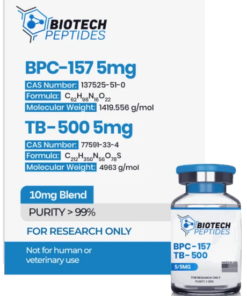
BPC-157: Frequently studied for tissue healing and cell signaling pathways, this peptide has generated interest in regenerative medicine research. Investigations have explored its potential effects on wound healing, gastrointestinal health, and tissue repair mechanisms.
TB-500: Often researched alongside BPC-157, this peptide is studied for its involvement in cell signaling and tissue interaction. Research has examined its potential applications in tissue regeneration and wound healing.
GHK-Cu: This copper-binding peptide has been studied for its molecular stability and signaling properties. Research has investigated its potential roles in tissue repair, inflammation modulation, and cellular signaling.
Selecting Quality Biotech Peptides for Research
Choosing appropriate biotech peptides for specific research applications requires consideration of multiple factors that influence experimental outcomes.
Sequence Verification: The amino acid sequence must correspond exactly to the target of interest. Researchers should verify that the peptide sequence matches the intended target, accounting for any species-specific variations that may affect receptor binding or biological activity.
Purity Specifications: Research-grade biotech peptides should meet minimum purity standards appropriate for the intended application. While 95% purity may suffice for some studies, others require 98% or higher purity to ensure meaningful results.
Modification Requirements: Some research applications require modified biotech peptides incorporating chemical modifications that enhance stability, improve solubility, or enable detection. Common modifications include acetylation, amidation, and fluorescent labeling for tracking and quantification.
Supplier Reputation: The reputation and reliability of the manufacturer significantly impact product quality. Established suppliers with robust quality control systems and comprehensive documentation provide greater assurance of product quality and consistency.
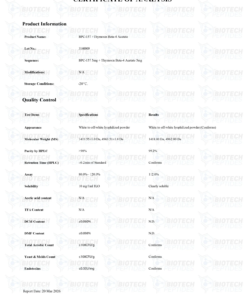
Documentation and Traceability: Complete documentation accompanies authentic biotech peptides, providing researchers with detailed analytical data. Certificates of analysis should include purity percentages, chromatographic profiles, mass spectrometry results, and storage recommendations.
Storage and Handling Protocols
Proper handling and storage are essential for maintaining the integrity of biotech peptides and ensuring experimental reproducibility.
Temperature Control: Biotech peptides should be stored at temperatures recommended by the manufacturer, typically -20°C or lower. Maintaining consistent temperature prevents degradation and preserves biological activity.
Moisture Protection: Exposure to moisture can compromise peptide stability through hydrolysis or other degradation pathways. Storage in desiccated environments with minimal atmospheric exposure preserves peptide integrity.
Light Protection: Many biotech peptides are sensitive to light exposure, which can induce photodegradation or structural modifications. Amber glass or opaque containers provide necessary light protection during storage and handling.
Reconstitution Methods: Dissolving lyophilized biotech peptides requires appropriate solvents and techniques. Following manufacturer recommendations for solvent selection, concentration, and dissolution parameters ensures optimal peptide recovery and activity.
Avoiding Freeze-Thaw Cycles: Repeated freeze-thaw cycles can degrade biotech peptides. Preparing aliquots of reconstituted peptides for single-use applications preserves compound integrity over extended research periods.
Emerging Trends in Bio Peptide Research
The field of peptide research continues to evolve rapidly, with several emerging trends shaping future investigations.
Multifunctional Peptides: The development of peptides with dual or triple agonist activity represents a significant advancement. These compounds target multiple receptors simultaneously, enabling researchers to study synergistic effects and complex pathway interactions.
Cyclic Peptides: Cyclization of peptide structures enhances stability and biological activity while improving pharmacokinetic properties. Research into cyclic peptide analogs continues to expand the utility of biotech peptides for challenging biological targets.
Peptide-Drug Conjugates: The conjugation of peptides to other therapeutic or diagnostic agents creates novel research tools. These hybrid molecules enable targeted delivery and combined mechanism studies.
Machine Learning Applications: Computational approaches increasingly inform peptide design and optimization. Machine learning algorithms predict peptide properties, receptor interactions, and biological activities, accelerating research progress.
Conclusion
Biotech peptides represent fundamental tools for contemporary biological research, enabling investigators to explore complex biological mechanisms with precision and reproducibility. The availability of high-purity, well-characterized peptides has expanded the boundaries of scientific knowledge across metabolic, endocrine, neurological, immunological, and oncological research domains.
Researchers who prioritize quality when selecting biotech peptides position their laboratories for success. By choosing compounds with documented purity, comprehensive characterization, and appropriate manufacturing standards, scientists ensure that their experimental results reflect genuine biological phenomena rather than artifacts of poor-quality research materials.
The continued advancement of peptide synthesis technologies, purification methods, and analytical characterization will further enhance the utility of biotech peptides for research applications. As the field progresses, biotech peptides will undoubtedly remain essential tools for scientific discovery, contributing to our understanding of fundamental biological processes and potential therapeutic interventions.
For researchers committed to excellence in scientific investigation, biotech peptides offer unparalleled opportunities for discovery. By understanding the science, applications, and quality considerations associated with these remarkable compounds, researchers can maximize the value of their peptide-based investigations and contribute meaningfully to the advancement of scientific knowledge.
| Quantity | 1 bottle, 5 bottles, 10 bottles, 50 bottles |
|---|
Related products

BIOTECH PEPTIDE

BIOTECH PEPTIDE
BIOTECH PEPTIDE
BIOTECH PEPTIDE

BIOTECH PEPTIDE

BIOTECH PEPTIDE

BIOTECH PEPTIDE

BIOTECH PEPTIDE