
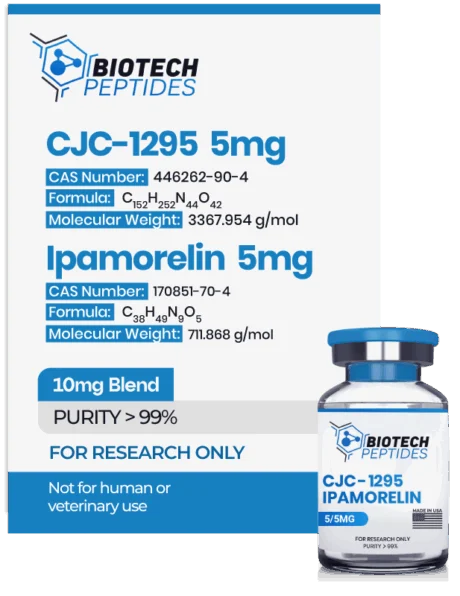
CJC-1295 & Ipamorelin Blend (10mg)
$60.00
cjc 1295 dac dosage per week, cjc 1295 dac vs no dac, cjc 1295 dosage and timing, cjc 1295 for sale, cjc 1295 w dac dosage,
CJC-1295 with Ipamorelin: A Comprehensive Research Guide
The combination of CJC-1295 with Ipamorelin has emerged as a significant area of interest in peptide research, particularly for investigations into growth hormone secretion and its downstream metabolic and regenerative effects. CJC-1295 with Ipamorelin represents a sophisticated approach to growth hormone modulation, combining a synthetic analog of growth hormone-releasing hormone with a selective growth hormone secretagogue. This comprehensive guide provides researchers with essential information about CJC-1295 with Ipamorelin, including its chemical properties, mechanism of action, research applications, quality considerations, and regulatory status.
Understanding CJC-1295 with Ipamorelin
CJC-1295 with Ipamorelin is a peptide blend that combines two distinct compounds with complementary mechanisms of action. When researchers work with CJC-1295 with Ipamorelin, they are utilizing a combination that targets both the GHRH receptor and the ghrelin receptor on pituitary somatotroph cells. This dual pathway approach is designed to create a more comprehensive stimulation of growth hormone release than either compound alone.
What Is CJC-1295?
CJC-1295 is a synthetic analog of growth hormone-releasing hormone (GHRH) that has been engineered to have a significantly longer half-life than endogenous GHRH. The foundational human pharmacology of CJC-1295 was established by Teichman and colleagues in the Journal of Clinical Endocrinology and Metabolism in 2006 across two randomized, placebo-controlled, double-blind ascending-dose trials in healthy adults. A single subcutaneous dose of 1 to 30 mcg/kg produced dose-dependent mean GH elevations that persisted for 6 or more days, with mean IGF-1 rising 1.5- to 3-fold above baseline.
The form typically used in research blends is CJC-1295 without drug affinity complex, which lacks the albumin-binding modification and has a shorter half-life, acting more like a natural GHRH pulse. This “no DAC” form mimics the body’s short, pulsatile bursts of natural GHRH release, which is beneficial for preserving natural feedback mechanisms. When researchers study CJC-1295 with Ipamorelin, they are often working with this no DAC version to maintain physiological pulsatility.
What Is Ipamorelin?
Ipamorelin is a synthetic pentapeptide growth hormone secretagogue that acts at the ghrelin receptor (GHSR-1a) rather than the GHRH receptor. It was developed as a highly selective GH secretagogue, meaning it stimulates GH release without the clinically relevant cortisol, prolactin, or ACTH elevation observed with earlier GHS compounds such as GHRP-2 and GHRP-6. This selectivity is particularly important for researchers seeking to isolate growth hormone effects without confounding variables from other endocrine pathways.
Ipamorelin’s selectivity for the GH axis over the hypothalamic-pituitary-adrenal axis is what distinguishes it from structurally related GHRPs and makes it the most commonly studied ghrelin-mimetic in combination research contexts. When combined with CJC-1295, Ipamorelin provides a rapid and selective growth hormone release that complements the sustained stimulation provided by CJC-1295.
The Synergistic Rationale for CJC-1295 with Ipamorelin
Dual Receptor System Activation
Pituitary somatotroph cells express both GHRH receptors and ghrelin receptors. These two receptor systems operate through distinct intracellular signaling cascades that converge on GH release but do so independently. GHRH receptor activation primarily increases cyclic AMP and opens voltage-gated calcium channels. Ghrelin receptor activation primarily works through protein kinase C and a separate calcium-dependent pathway.
When both pathways are activated simultaneously, the resulting GH pulse is substantially larger than either receptor could generate alone. This synergy was documented in human subjects by Veldhuis and Bowers in the American Journal of Physiology Endocrinology and Metabolism in 2009, confirming that the two signaling pathways genuinely augment each other rather than simply summing their individual effects. This synergy is the scientific foundation for combining CJC-1295 with Ipamorelin in research applications.
Rationale for Combining CJC-1295 with Ipamorelin
The combination rationale builds directly from the synergy data and from decades of GHRH-plus-GHRP research. CJC-1295’s potential to sustain elevated GH levels over a prolonged period, combined with Ipamorelin’s rapid and selective GH release, may create a comprehensive approach to GH modulation. CJC-1295 with Ipamorelin might offer a continuous and robust stimulation of the GH-IGF-1 axis, potentially resulting in more pronounced physiological impacts than either peptide alone.
The theoretical advantage of CJC-1295 with Ipamorelin lies in its ability to mimic the natural pulsatile pattern of growth hormone secretion while simultaneously providing sustained elevation. This dual approach may more closely approximate physiological growth hormone dynamics than either compound alone. For researchers investigating growth hormone biology, CJC-1295 with Ipamorelin offers a unique opportunity to study the interplay between sustained and pulsatile growth hormone signaling.
Research Applications of CJC-1295 with Ipamorelin
Muscle and Metabolism Research
The combination of CJC-1295 with Ipamorelin is speculated to significantly impact muscle growth and metabolism. CJC-1295’s sustained GH release might support protein synthesis and muscle repair, while Ipamorelin’s acute GH bursts might provide immediate anabolic signals. This dual action might support increased muscle hypertrophy and strength over time. Additionally, the supported lipolytic effects of prolonged GH exposure might aid in reducing adipose tissue.
Research into the metabolic effects of GH modulation has demonstrated impacts on carbohydrate, protein, and lipid metabolism. Prolonged GH action may support lipolysis and reduce fat storage, while acute GH release might improve nutrient utilization and energy expenditure. These metabolic effects position CJC-1295 with Ipamorelin as a compound of interest for researchers studying metabolic regulation.
Tissue Repair and Regeneration Research
Studies suggest that both peptides may be implicated in regenerative processes and tissue repair. GH stimulates the proliferation and differentiation of various cell types, including muscle, bone, and connective tissue cells. Research indicates that CJC-1295 with Ipamorelin might promote faster recovery from injuries and support the maintenance of tissues.
The regenerative potential of GH modulation has implications for research into musculoskeletal injuries, wound healing, and age-related tissue degeneration. By supporting GH secretion through dual pathway activation, CJC-1295 with Ipamorelin may offer a comprehensive approach to studying tissue repair mechanisms. Researchers investigating regenerative medicine may find CJC-1295 with Ipamorelin useful for exploring the role of growth hormone in tissue recovery processes.
Metabolic Function Research
The GH-IGF-1 axis plays a critical role in regulating metabolism. GH influences carbohydrate, protein, and lipid metabolism, suggesting that CJC-1295 with Ipamorelin might help optimize these metabolic pathways. Prolonged GH action may support lipolysis and reduce fat storage, while acute GH release might improve nutrient utilization and energy expenditure.
Researchers investigating metabolic disorders may find CJC-1295 with Ipamorelin useful for exploring the role of growth hormone in metabolic regulation. The dual pathway activation provides a unique opportunity to study the interplay between sustained and pulsatile growth hormone signaling in the context of metabolic health.
Endocrine Function Research
The GH-IGF-1 axis is a critical component of the endocrine system. CJC-1295 with Ipamorelin provides researchers with a tool for investigating how sustained and pulsatile growth hormone stimulation affects various endocrine parameters. Studies have explored how this combination influences insulin sensitivity, glucose metabolism, and other endocrine functions.
Quality Considerations for Research Peptides
Purity Standards
The quality of research peptides is essential for experimental reproducibility. Research-grade CJC-1295 with Ipamorelin should demonstrate minimum purity specifications of at least 98% when analyzed by high-performance liquid chromatography. Some suppliers require a minimum 99% purity specification enforced at the batch level, with release contingent on verified analytical conformance. High-purity research peptides minimize the risk of confounding results from synthesis-related impurities.
Analytical Verification
When researchers acquire CJC-1295 with Ipamorelin, they should ensure the supplier provides comprehensive analytical documentation. The certificate of analysis should include identity confirmation by mass spectrometry, purity by HPLC, sequence confirmation, and appearance testing. Additional testing may include residual solvent analysis, water content, acetate content, peptide content, endotoxin testing, and microbial limit testing.
Documentation and Traceability
Suppliers providing CJC-1295 with Ipamorelin should offer batch-specific Certificates of Analysis containing HPLC chromatograms and mass spectrometry identity confirmation. Third-party lab accreditation and pre-purchase document access are indicators of reliable sourcing. Researchers should verify that these documents are available before completing any transaction.
Storage and Handling
These peptides are typically supplied as lyophilized powders and should be stored at -20°C in a dry, desiccated environment protected from light. Upon reconstitution, the solution should be stored at 4°C and used within a short timeframe to prevent loss of potency. Repeated freeze-thaw cycles should be avoided to maintain peptide stability.
Regulatory and Legal Considerations
The regulatory landscape for CJC-1295 with Ipamorelin is complex. As of April 2026, both compounds are on the FDA 503A Category 2 bulk substances list, meaning they cannot be legally compounded under Section 503A pending further FDA review. Neither compound is FDA-approved for any indication.
No published human randomized controlled trials of the specific CJC-1295 with Ipamorelin combination exist as of April 2026. The combination rationale is derived from individual component pharmacology and mechanistic synergy studies using related GHRH-plus-GHRP pairings, not from direct head-to-head combination trials. CJC-1295 with Ipamorelin is restricted to in vitro animal and cell culture research only, and is not approved for human use.
Conclusion
CJC-1295 with Ipamorelin represents a fascinating area of study within peptide research. The theoretical synergistic impacts of sustained and selective GH release suggest that this combination might have significant implications for research into muscle cell proliferation, metabolic regulation, and tissue repair. However, it is crucial to continue exploring these impacts through rigorous scientific investigations to fully understand the mechanisms and potential implications of this peptide combination.
For researchers acquiring CJC-1295 with Ipamorelin, understanding the compounds’ chemical properties, quality requirements, and current regulatory status is essential. High-purity research-grade materials, stored and handled properly, provide valuable tools for investigating fundamental biological processes. When evaluating suppliers, researchers should prioritize those that provide comprehensive quality documentation, including HPLC purity verification and mass spectrometry confirmation, to ensure experimental reproducibility and scientific validity.
The research applications of CJC-1295 with Ipamorelin continue to be explored as understanding of growth hormone biology deepens. From muscle metabolism and tissue repair to metabolic regulation, this combination remains a compound of significant interest for researchers committed to scientific discovery. However, researchers should be aware of the current regulatory status and ensure compliance with all applicable regulations regarding the acquisition, handling, and use of research peptides in their jurisdiction.
Related products
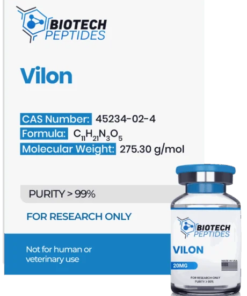
BIOTECH PEPTIDE
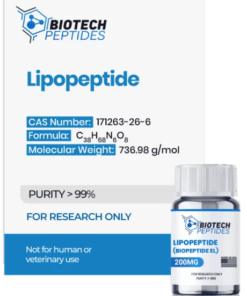
BIOTECH PEPTIDE
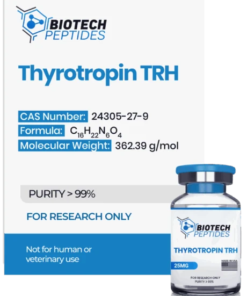
BIOTECH PEPTIDE
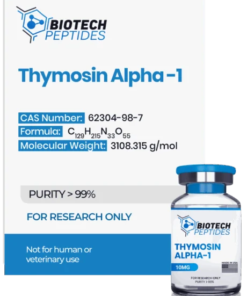
BIOTECH PEPTIDE
BIOTECH PEPTIDE
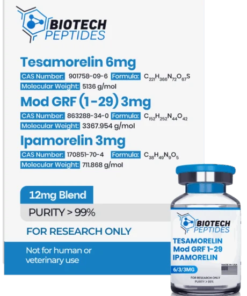
Tesamorelin & CJC-1295 (Mod GRF 1-29) & Ipamorelin Blend (12mg)
BIOTECH PEPTIDE
BIOTECH PEPTIDE
BIOTECH PEPTIDE